0%

Table of Contents

Crushed quartz sand – it's not glamorous, but it’s everywhere on a job site, and it’s the backbone of so much of what we build. I've spent years wading through piles of it, figuring out which sources hold up, which ones cause problems, and frankly, which ones just aren't worth the hassle. It’s not just ‘sand’; it’s a critical component affecting everything from concrete strength to glass production, and increasingly, even specialized coatings. Understanding its nuances is the difference between a project that runs smoothly and one that’s plagued by delays and rework.

We’re seeing a growing demand, globally, as construction booms in developing nations and infrastructure projects ramp up everywhere. The UN estimates a need for affordable housing alone will require massive quantities of building materials, and quartz sand is fundamental. But it’s not a limitless resource. We’re facing challenges with sustainable sourcing and ensuring quality control as demand strains existing supplies. Knowing where your sand comes from and what it’s capable of isn’t just good practice, it’s becoming essential.

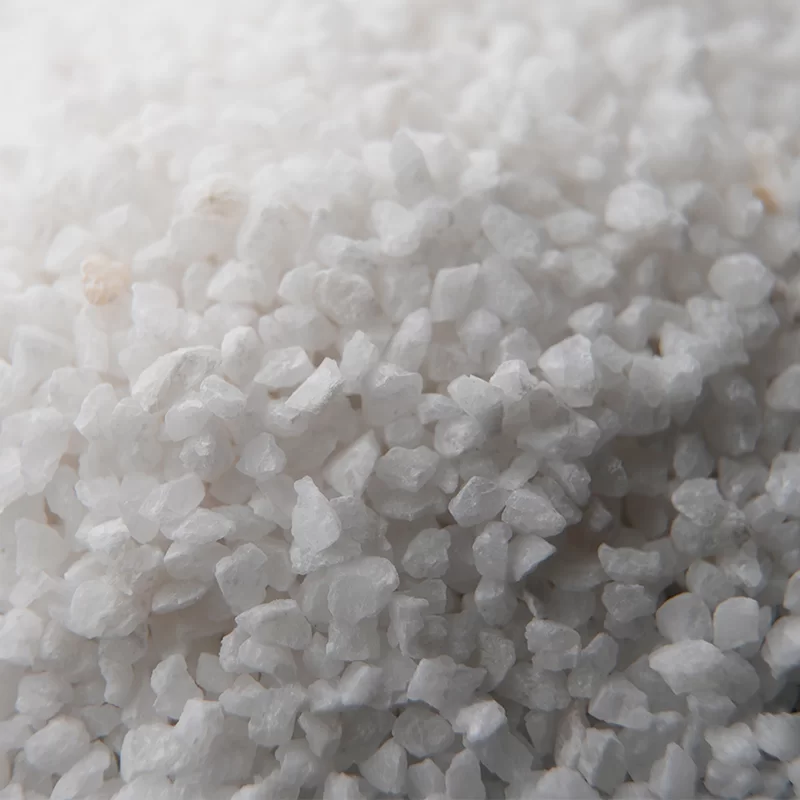
Simply put, crushed quartz sand is silica – specifically, quartz – that has been broken down into smaller particles. It’s a naturally occurring material, abundant in many parts of the world, but the process of crushing and grading it is what determines its suitability for different applications. It’s a far cry from the beach sand most people picture; we need consistent particle size, specific mineral compositions, and low levels of contaminants. This isn’t about aesthetics; it’s about performance and longevity, particularly in critical infrastructure.
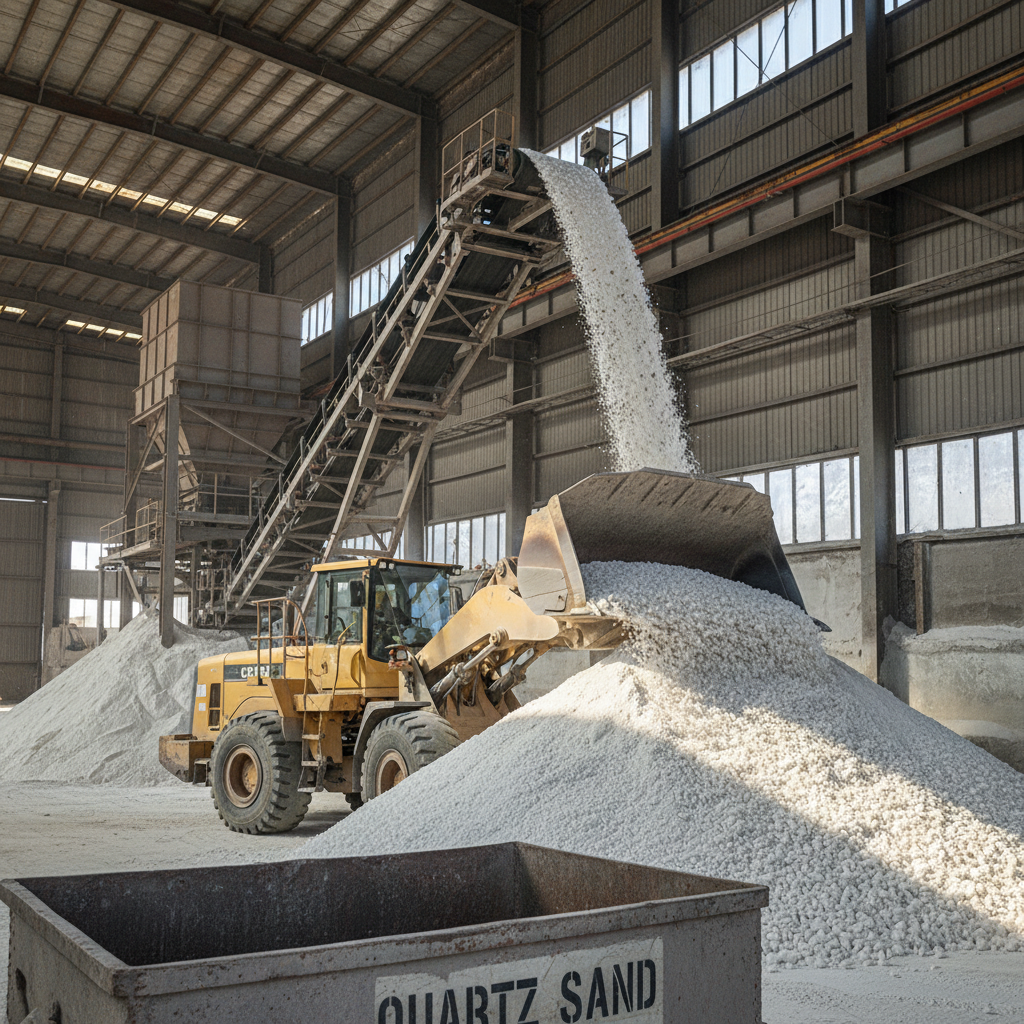
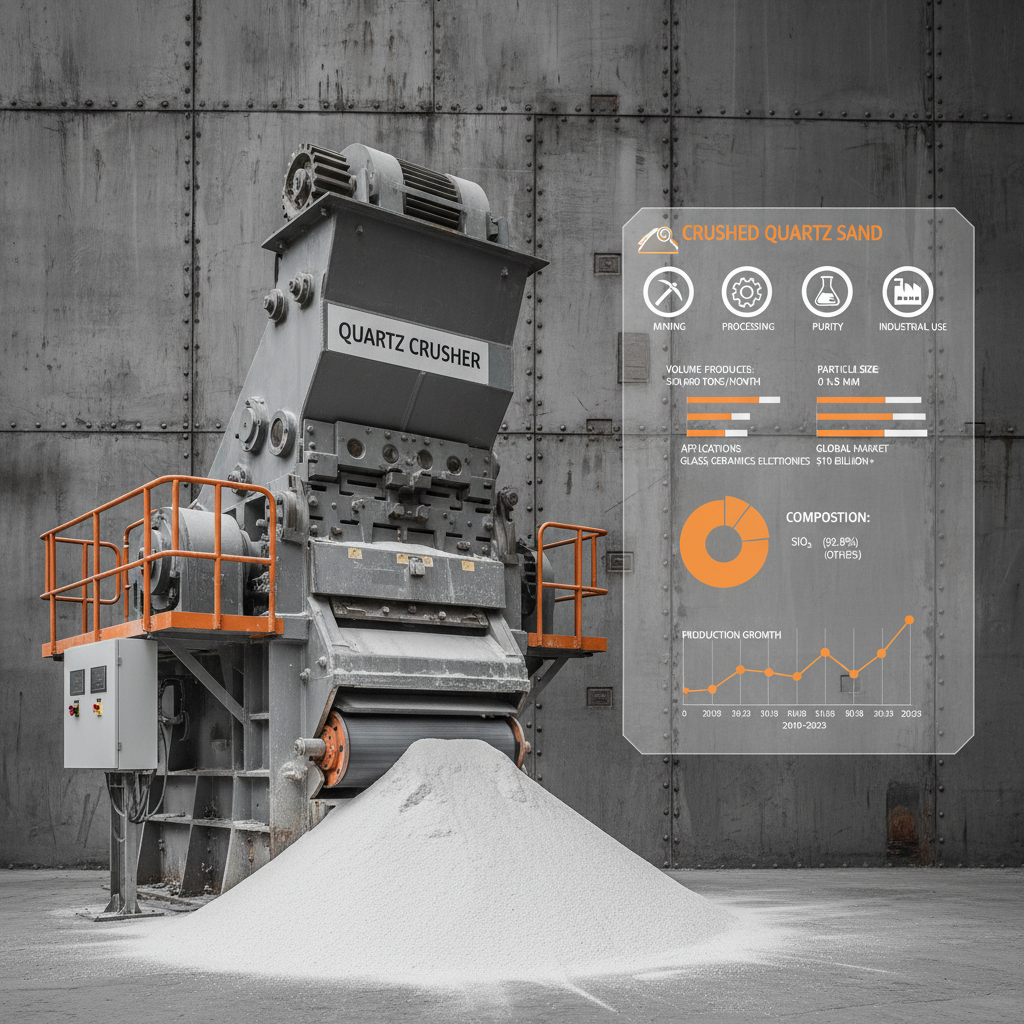
crushed quartz sand

The Importance of Crushed Quartz Sand in Modern Construction

crushed quartz sand

Look, you can’t build much without a solid foundation, and crushed quartz sand is fundamental to that foundation. It’s a key ingredient in concrete, asphalt, and mortar – the materials that literally hold everything up. I’ve seen projects delayed for weeks because the sand didn’t meet specs. It’s a bottleneck, and contractors need to understand the importance of sourcing quality material.

Beyond structural elements, it’s used in glass manufacturing, filtration systems, and even in specialty coatings for corrosion resistance. It’s a surprisingly versatile material, and the demand only continues to grow. Ignoring its importance is a recipe for disaster.

Defining Crushed Quartz Sand: Beyond Just 'Sand'

People often think of sand as just…sand. But crushed quartz sand is a specifically engineered material. It’s derived from quartz, a hard, crystalline mineral, and is created by crushing the rock into carefully sized particles. This isn't about grabbing material from any old riverbed; it’s about controlled fracturing and screening to achieve precise specifications.

The particle size distribution, or gradation, is critical. Too fine, and it reduces workability and strength. Too coarse, and it creates voids in the final product. We’re talking about tolerances measured in micrometers! This precision is essential for modern construction.

It's a crucial component in a world demanding robust and durable infrastructure. It’s not merely a filler; it’s an active ingredient that directly impacts performance and long-term integrity. Think of the sand in concrete as the ‘glue’ that holds everything together, and you'll understand why quality matters.

Key Characteristics of High-Quality Crushed Quartz Sand

Durability is paramount. The quartz grains need to be hard enough to withstand the abrasion and stresses of mixing, placement, and long-term use. We run tests on everything, looking for signs of weakness or degradation. It’s not enough for it to be strong initially; it needs to stay strong over time.

Consistency in particle size is absolutely vital. We use sieve analysis to ensure that the sand meets the project specifications. Variations in gradation can lead to segregation, reduced strength, and increased permeability—things that can seriously compromise a structure’s integrity. A consistent product is a predictable product.

Low levels of impurities – things like clay, silt, and organic matter – are also essential. These contaminants can interfere with cement hydration, reducing strength and durability. We demand detailed chemical analysis to verify purity. A little contamination can cause big problems down the line.

Applications: Where You'll Find Crushed Quartz Sand

Concrete production is, hands down, the biggest consumer of crushed quartz sand. It provides the necessary bulk, strength, and workability. But it doesn’t stop there. It's also essential for creating asphalt for roadways, providing the fine aggregate that binds everything together.

Glass manufacturing relies heavily on high-purity quartz sand. It's the primary ingredient in creating everything from windows to fiber optic cables. The color and clarity of the glass depend directly on the sand’s composition. And in the filtration industry, it's used as a crucial component in water purification systems, removing contaminants and ensuring clean water supplies.

Crushed Quartz Sand Applications by Volume

Advantages: Why Crushed Quartz Sand is Preferred

Its inherent strength and durability are major advantages. Structures built with quality crushed quartz sand simply last longer and require less maintenance. That translates to cost savings over the lifetime of a project.

It’s also relatively affordable, especially when sourced locally. Compared to some alternative aggregates, it offers a good balance between performance and price, making it a practical choice for a wide range of applications.

Future Trends and Innovations in Quartz Sand Utilization

We’re starting to see more focus on recycled quartz sand – reclaiming it from construction and demolition waste. It’s a sustainable approach that reduces the need for new mining, and the technology to process and purify this recycled material is improving rapidly.

There's also research into enhancing the properties of quartz sand through surface treatments, improving its bonding characteristics with cement and other materials. This could lead to even stronger and more durable concrete.

Finally, increased use of digital technologies for quality control – things like real-time particle size analysis and automated impurity detection – are becoming commonplace. This allows for tighter tolerances and more consistent product quality.

Challenges and Sustainable Sourcing Solutions

The biggest challenge is sustainable sourcing. Mining quartz can have environmental impacts, and we’re seeing increasing pressure to minimize those impacts. We need to be more diligent about responsible extraction practices and land reclamation.

Another issue is transportation costs. Sand is heavy, and hauling it long distances adds to the overall project cost and carbon footprint. Locating quarries closer to construction sites is crucial.

Investing in recycling technologies and exploring alternative aggregate sources are key solutions. And promoting transparency in the supply chain – knowing exactly where the sand comes from and how it’s been processed – is vital for ensuring responsible sourcing.

Overview of Crushed Quartz Sand Sourcing and Sustainability

Source Type Environmental Impact Cost Efficiency Long-Term Availability
New Quarry Mining High – Habitat disruption, water usage. Moderate – Initial investment is substantial. Limited – Reserves are finite.
River Dredging High – Ecosystem damage, erosion. Low – Relatively inexpensive. Limited – Riverbed depletion.
Recycled Concrete Low – Reduces landfill waste. Moderate – Processing costs are involved. High – Dependent on demolition rates.
Construction & Demolition Waste Very Low – Waste material reuse. High – Low processing cost. Moderate – Variable supply.
Manufactured Sand (from Rock) Moderate – Energy intensive process. Moderate – Consistent quality. High – Rock resources are abundant.
Coastal Dune Restoration Variable – Requires careful management. High - Low cost extraction. Moderate – Requires careful stewardship.

FAQS

What’s the difference between crushed quartz sand and regular sand for construction?

Crushed quartz sand undergoes a specific crushing and grading process to ensure consistent particle size and purity. Regular sand, often sourced from rivers or beaches, has a variable composition and can contain impurities like clay or organic matter, impacting concrete strength and durability. Consistent gradation is critical for workability and preventing segregation in concrete mixtures. Using the right type of sand can make or break a project.

How do I ensure the crushed quartz sand I’m buying meets project specifications?

Always request a material safety data sheet (MSDS) and a certificate of analysis (COA) from the supplier. These documents detail the sand’s chemical composition, particle size distribution, and levels of impurities. Conduct your own independent testing – sieve analysis, for example – to verify the results. It's worth the investment to prevent costly rework later on. Don't just take their word for it; verify!

What are the environmental concerns associated with quartz sand mining?

Quartz mining can disrupt habitats, contribute to soil erosion, and consume significant amounts of water. It’s important to source sand from suppliers who practice responsible mining techniques, including land reclamation and water conservation. Look for certifications demonstrating a commitment to environmental sustainability. Considering recycled sand options is also a great way to minimize your impact.

Is recycled crushed quartz sand as good as newly mined sand?

Recycled crushed quartz sand, when properly processed, can be just as good, and sometimes even better, than newly mined sand. The key is ensuring it's thoroughly cleaned and graded to remove contaminants. It reduces landfill waste and minimizes the demand for new mining. However, ensure it meets the necessary specifications for your specific application. Testing is essential.

How does particle shape affect the performance of crushed quartz sand in concrete?

The shape of the sand particles influences workability and concrete strength. Angular particles interlock better, providing greater shear resistance and resulting in higher strength concrete. Rounded particles improve workability but can reduce strength. A balance between angularity and roundness is often ideal, depending on the application. It’s another reason why consistent quality control is so important.

What are the costs associated with using different types of crushed quartz sand?

Costs vary based on source, processing, and transportation. Newly mined sand is typically cheaper upfront, but it doesn’t factor in the environmental costs. Recycled sand can be competitive in price, especially when local sourcing reduces transportation expenses. High-purity, specialty sands used in glassmaking are generally the most expensive. A total cost analysis, considering both initial price and long-term performance, is crucial.

Conclusion

Ultimately, crushed quartz sand is a deceptively complex material. It’s a fundamental building block of modern infrastructure, but its performance depends heavily on its quality, sourcing, and proper application. Understanding these nuances isn’t just for materials scientists; it’s essential for anyone involved in construction, from project managers to engineers to contractors.

Looking ahead, the focus must be on sustainable sourcing, innovative recycling technologies, and stringent quality control. By embracing these principles, we can ensure a reliable supply of this critical resource for generations to come. For high-quality crushed quartz sand and expert guidance, visit our website: www.cnfloormaterials.com.
Michael Davis

Michael Davis

Michael Davis is a Production Manager at Hebei Quanerduo Mining Development, overseeing the day-to-day operations of our processing and beneficiation workshops. He has been with the company since 2010, steadily climbing the ranks through his commitment to efficiency and quality. Michael is responsible for managing production schedules, maintaining equipment, and ensuring our output consistently meets the highest standards. He works closely with our quality control team to implement strict monitoring protocols and identify areas for improvement. Michael is a practical leader with a strong focus on safety and a keen eye for detail.
Previous Aquaquartz Pool Filter Sand Reliable Filtration for Crystal Clear Water
Next The Indispensable Role of Crystal Quartz Sand in Modern Construction
High-quality architectural stone — crafted for strength, beauty, and lasting performance.
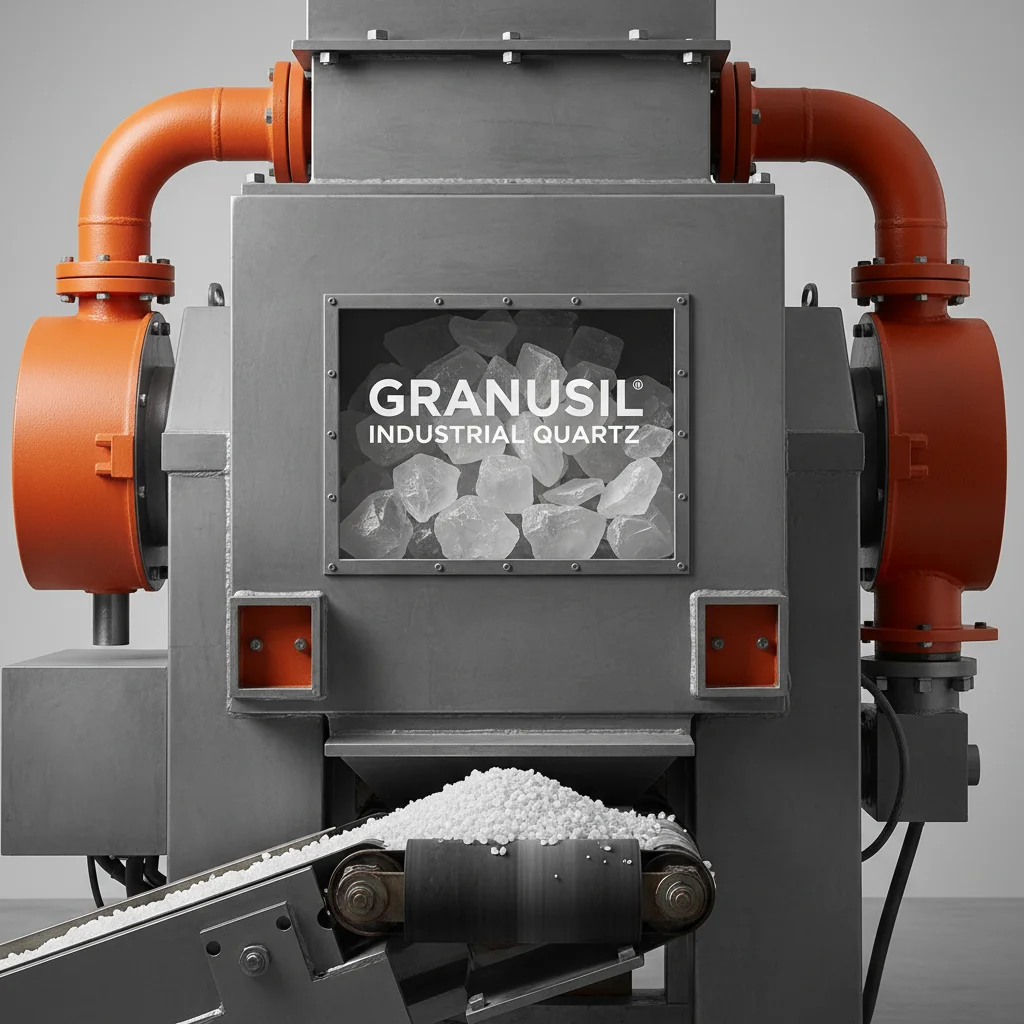
Technical Guide to High Purity Granusil Industrial Quartz Uses
In the sophisticated landscape of industrial mineral extraction, granusil industrial quartz stands as a cornerstone material that bridges the gap between raw geological deposits and high-precision engineering. Its unique chemical stability and physical hardness make it indispensable for a wide array of manufacturing processes, from glass production to advanced filtration systems. Understanding the nuances of this material is not merely a technical requirement but a strategic advantage for companies aiming to optimize their production yield and product longevity.
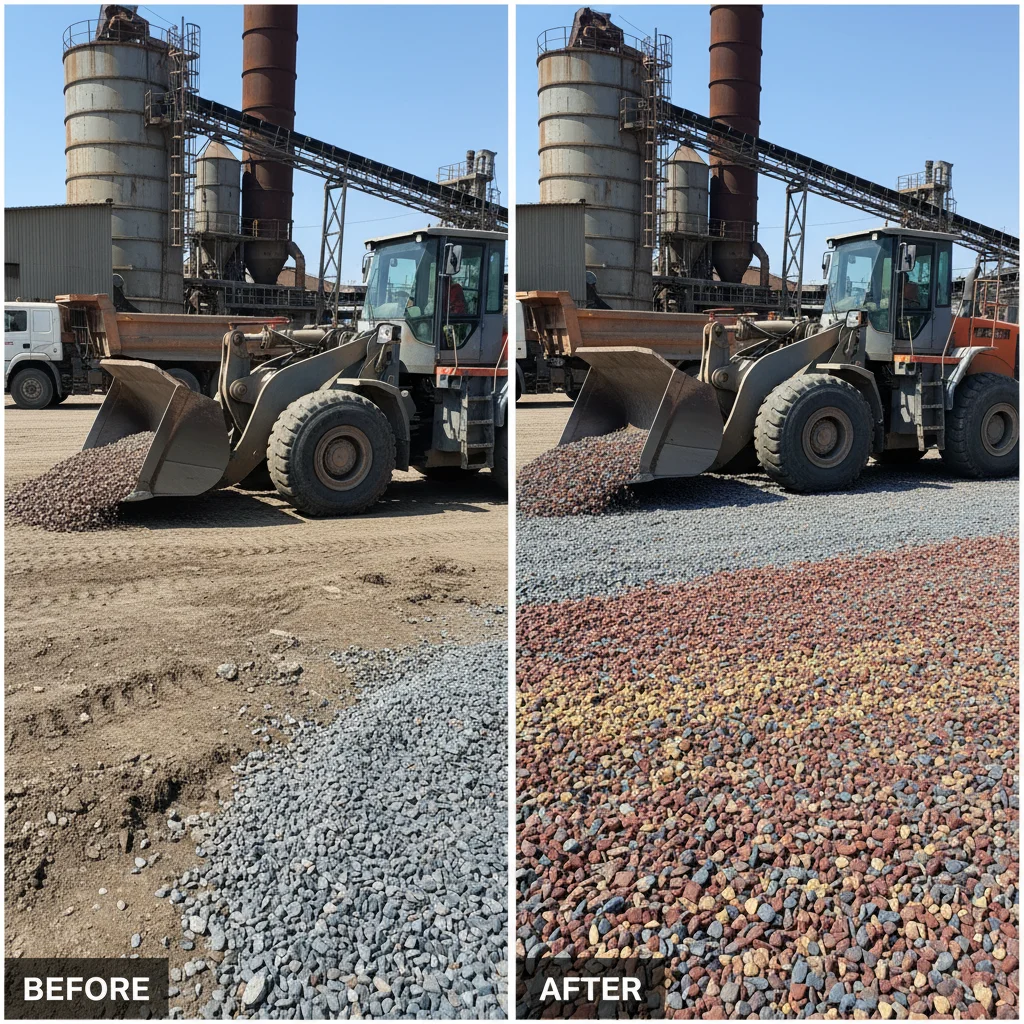
Best Uses of Colored Gravel for Landscaping to Enhance Your Yard
Creating a visually stunning garden or walkway requires a balance of functionality and aesthetic appeal. Using colored gravel for landscaping is one of the most effective ways to introduce vibrant tones and professional texture to your outdoor environment. Unlike traditional mulch, colored stone provides a permanent solution that resists decay and reduces maintenance. Whether you are looking to define a path, highlight a flower bed, or create a modern Zen garden, the right choice of aggregate can transform a dull yard into a masterpiece. In this guide, we will explore the various types of colored gravel and how to use them.
Enhancing Your Outdoor Space with Brown Landscape Rock Guide
Creating a visually stunning and sustainable outdoor environment requires a thoughtful choice of materials. Among the most versatile options available, brown landscape rock offers a perfect blend of natural aesthetics and long-term durability. Whether you are designing a Zen garden, constructing a retaining wall, or simply looking for a low-maintenance alternative to traditional mulch, these earthy tones provide a timeless appeal. In this comprehensive guide, we will explore the various types of brown stone, their practical benefits, and how to integrate them into your home's exterior design to increase both beauty and property value.
Exploring the Versatile Applications of Gold Sand Quartz in Modern Industries
Gold sand quartz, a fascinating combination of materials, holds a significant place in both industrial applications and aesthetic design. Its unique properties stemming from the quartz component, coupled with the visual appeal of sand-like grains, make it a versatile material across diverse sectors. This article delves into the intricacies of gold sand quartz, exploring its definition, key attributes, global applications, and future prospects. Understanding this material is crucial for professionals in construction, manufacturing, and design, enabling them to leverage its benefits effectively.
Enhance Your Outdoor Space with Bright White Landscaping Rocks Ideas
Creating a beautiful and low-maintenance landscape often involves choosing the right ground cover. Bright white landscaping rocks are a popular option, offering a clean, modern aesthetic and a host of practical benefits. This article will explore everything you need to know about these rocks, from their uses and benefits to installation tips and cost considerations. We will guide you through selecting the perfect white rocks for your outdoor space and maximizing their impact on your overall landscape design.
Exploring the Versatile Applications of Dry Quartz Sand and Future Trends
Dry quartz sand, a granular material composed of silica, plays a pivotal role in a diverse array of industries worldwide. From glass manufacturing and foundry casting to construction and filtration, its unique properties – chemical inertness, thermal stability, and abrasive qualities – make it an indispensable component in countless applications. Understanding the characteristics and sourcing of dry quartz sand is crucial for optimizing processes and ensuring product quality across numerous sectors.

If you are interested in our products, you can choose to leave your information here, and we will be in touch with you shortly.