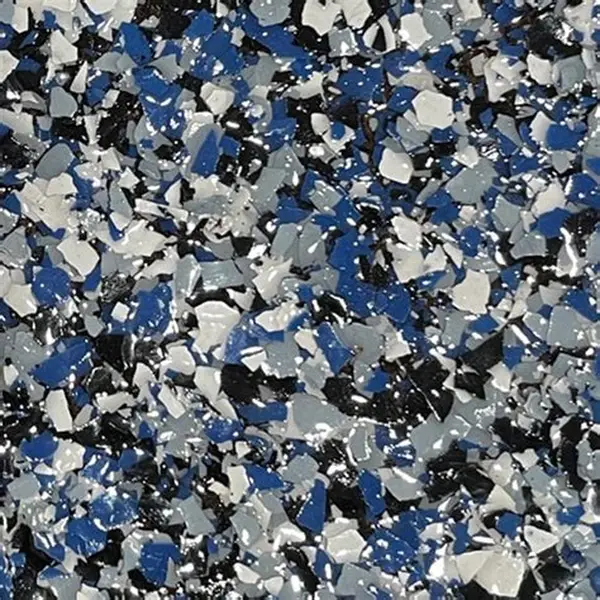
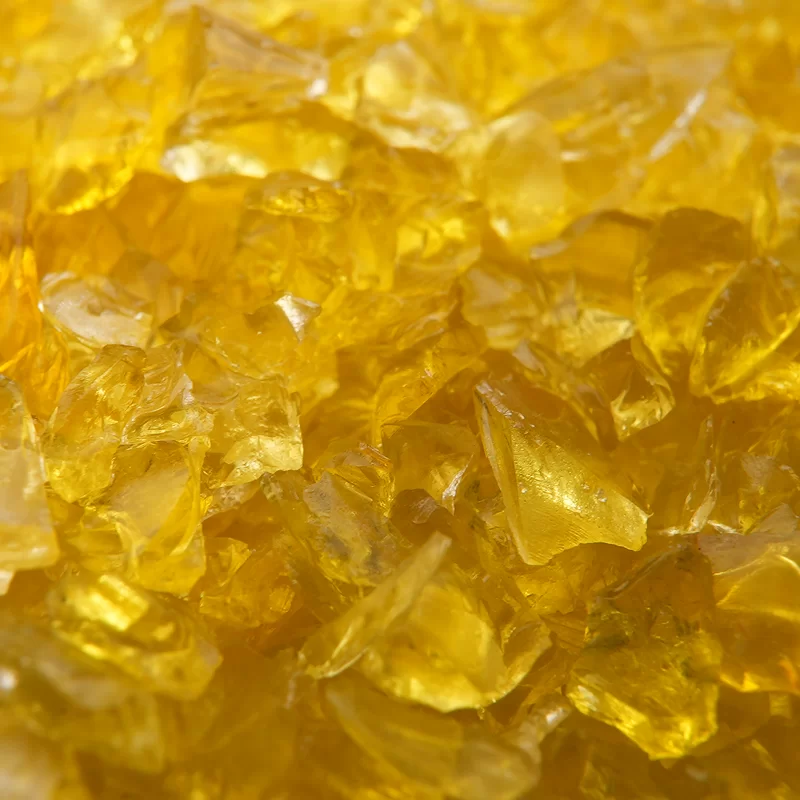
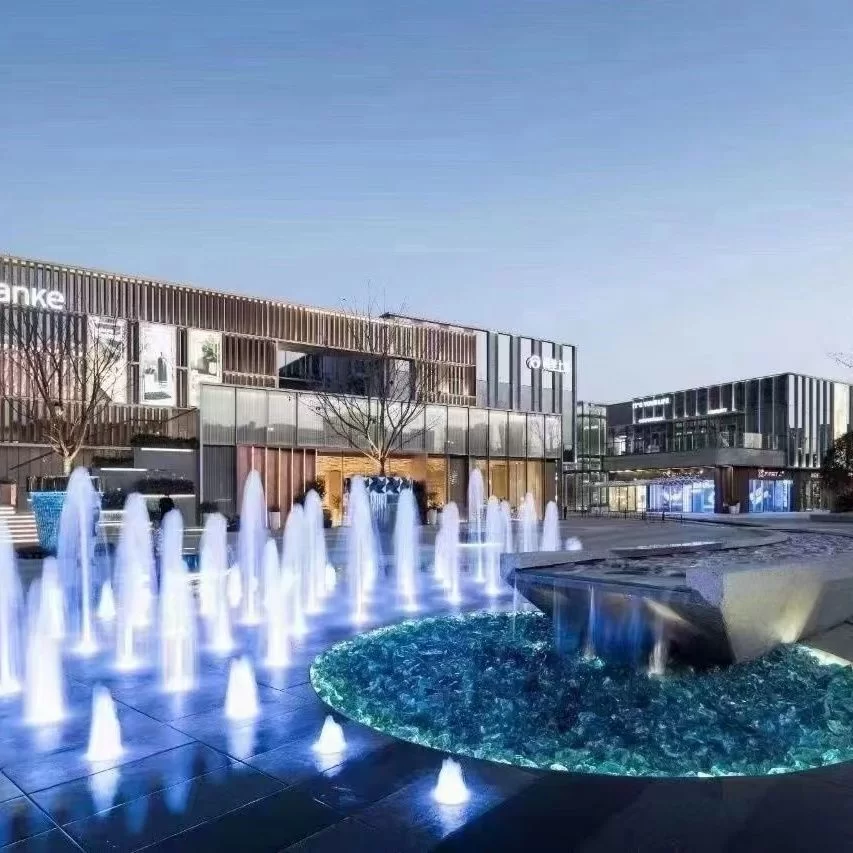
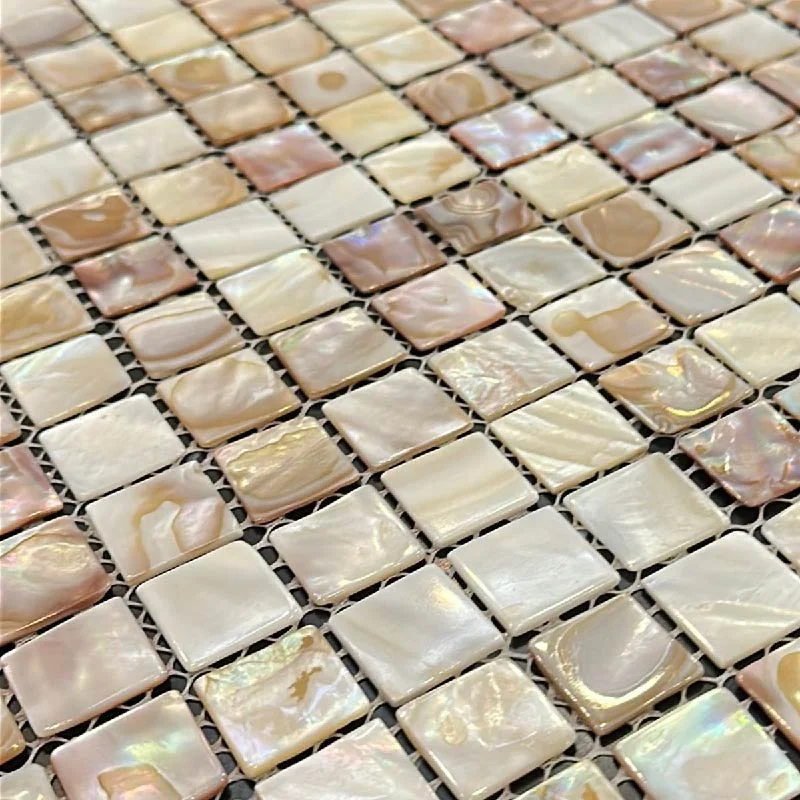
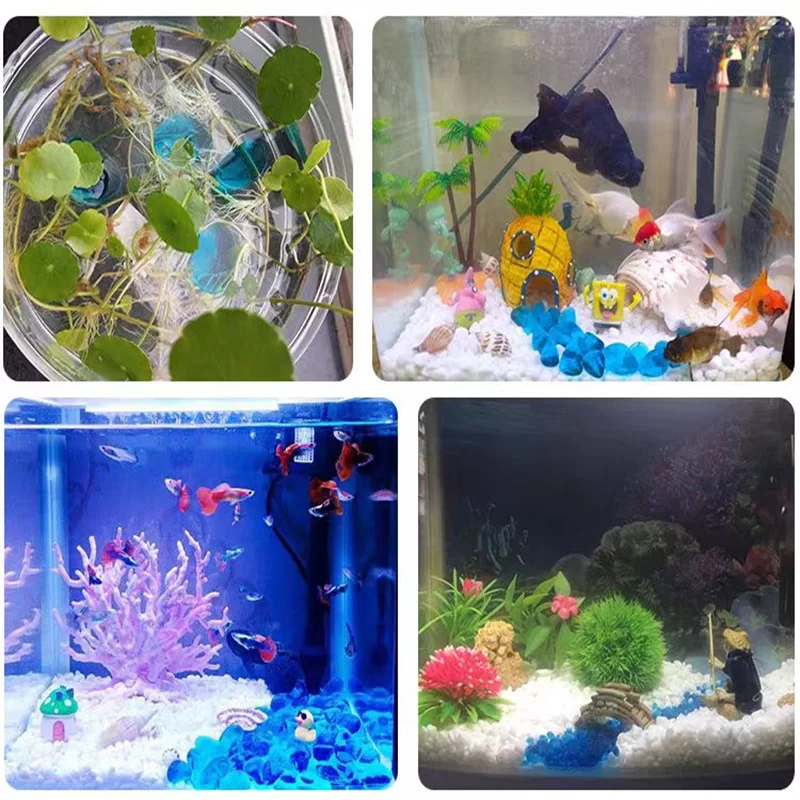
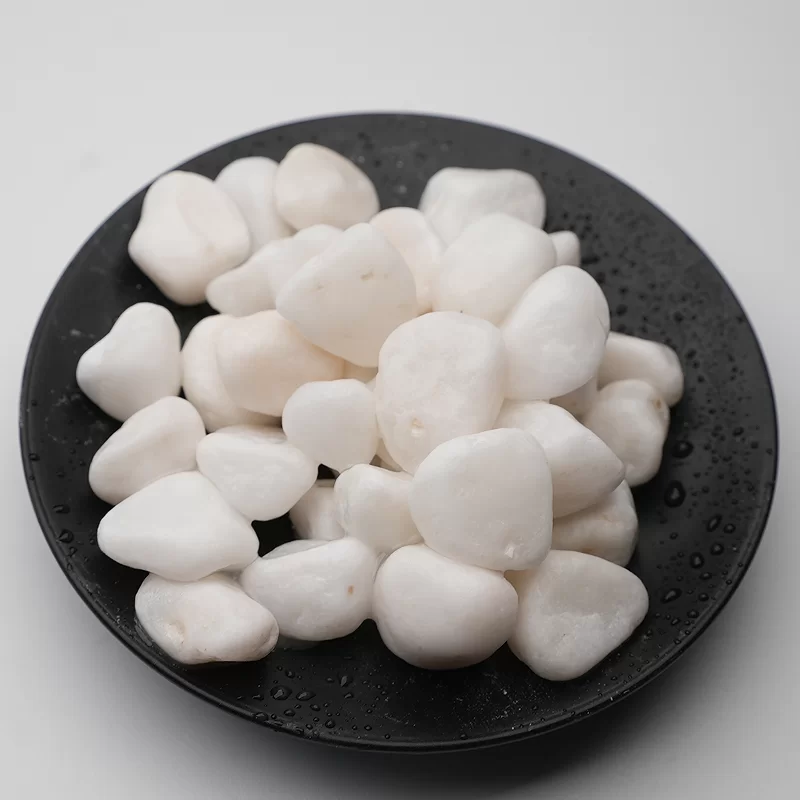
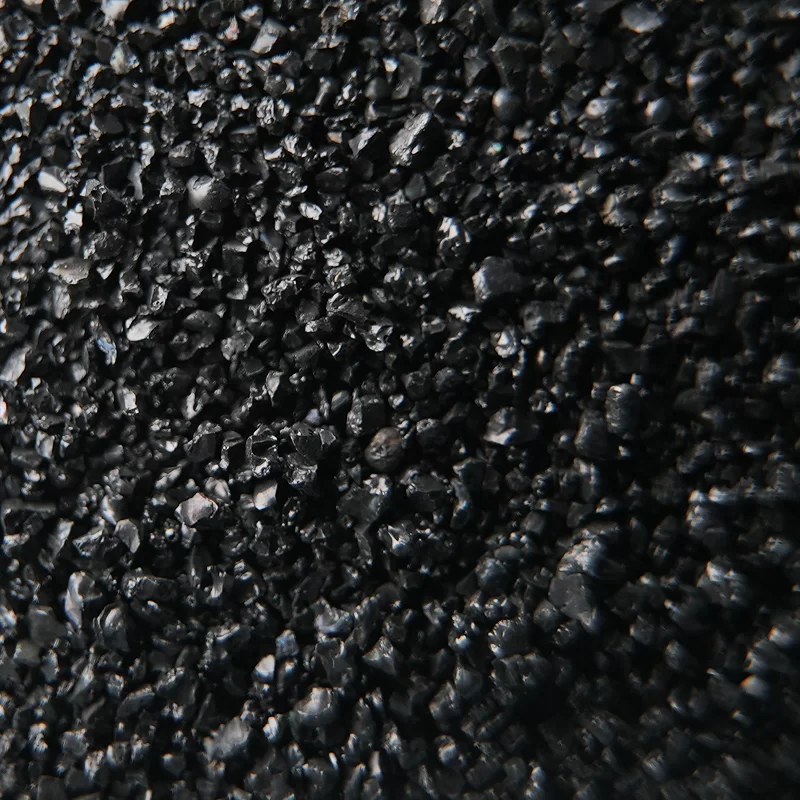
To be honest, the whole garden pebble scene has gotten a lot more interesting lately. It used to be just a handful of standard colors, everyone going for that basic river rock look. But now? People want statement pebbles. We’re seeing huge demand for polished glass, volcanic rock, even recycled materials. It's not just landscaping anymore; it's outdoor décor, a whole vibe. It's… strange, actually, how much importance people place on these little stones. You wouldn’t believe the arguments I’ve had with designers over a shade of grey.
I’ve spent enough time on sites, wrestling bags of this stuff, to tell you a few things. One thing that always gets people tripped up is underestimating the weight. Seriously, a cubic yard of pebbles? You’ll need a machine. And don’t even get me started on drainage. People think you can just dump them anywhere, but you need proper base preparation or you’ll end up with a muddy mess. I encountered this at a factory in Ningbo last time, a whole patio had to be redone because of poor drainage.
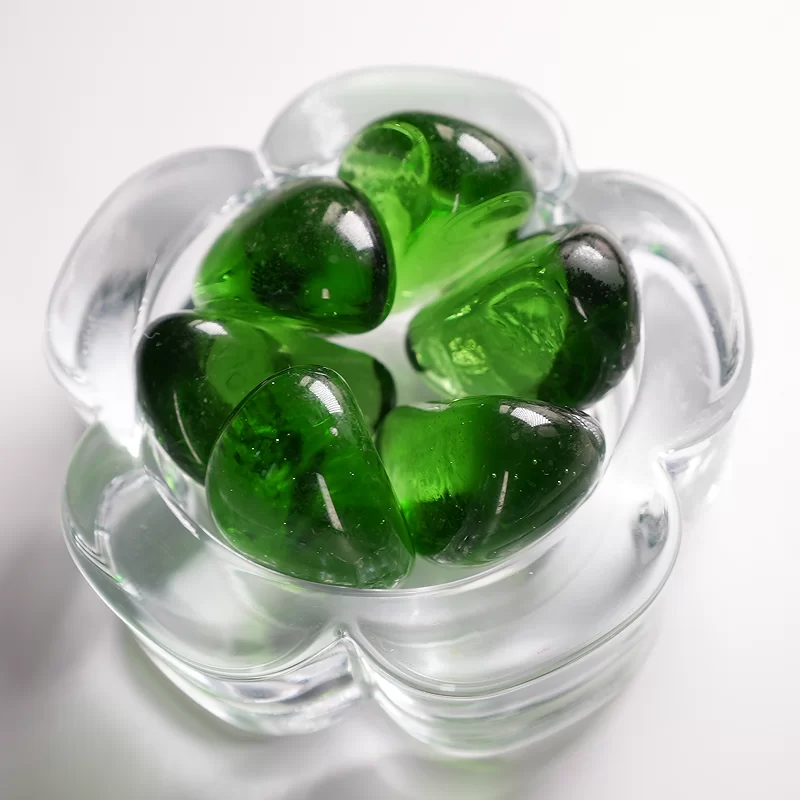
The materials themselves... well, the classic granite is always reliable. Feels solid, a bit rough, smells… like stone, I guess. You can tell a good batch by the color consistency, and whether it crumbles easily when you try to break a piece. Then there’s basalt, darker, smoother, feels almost velvety. And the glass pebbles? Those are different. They're surprisingly heavy, and you gotta wear gloves when handling them, or you'll be picking shards out of your skin all day. Plus they get hot in the sun. I mean, really hot.
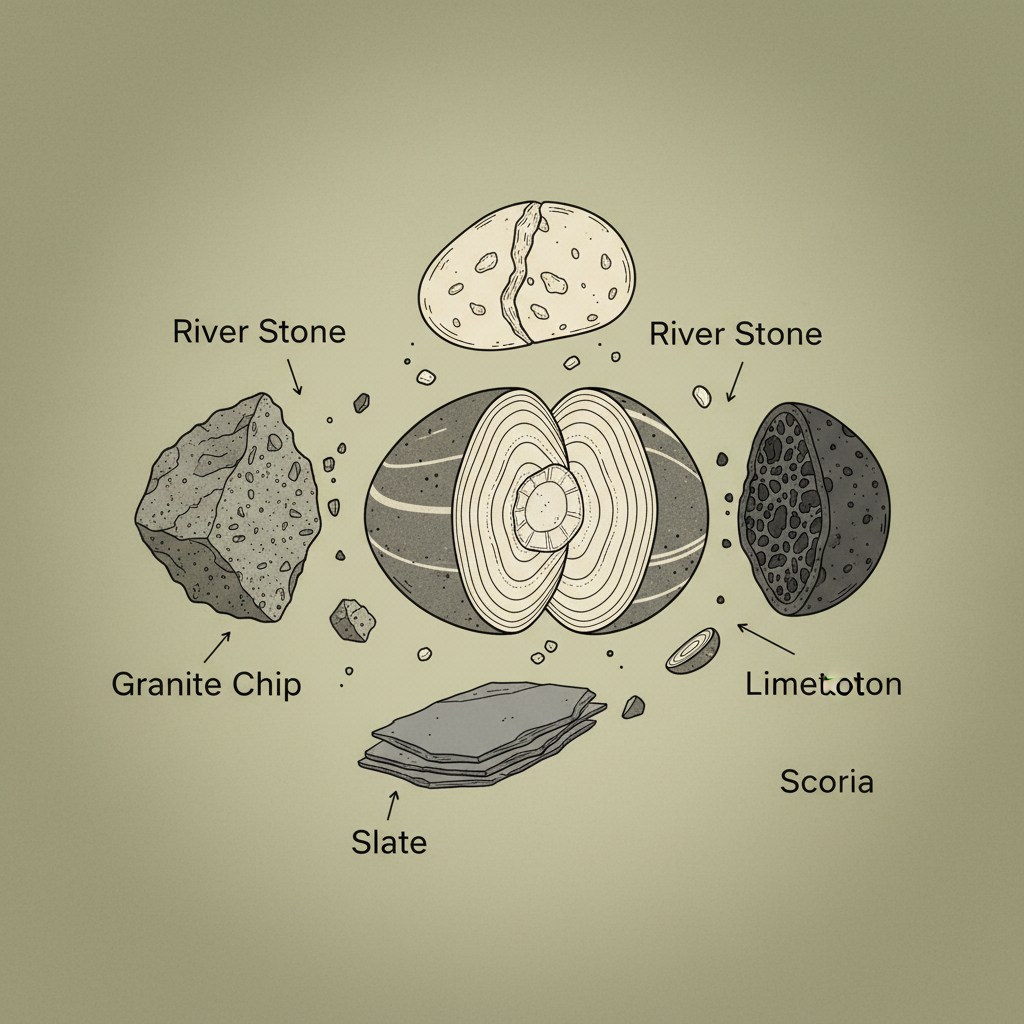
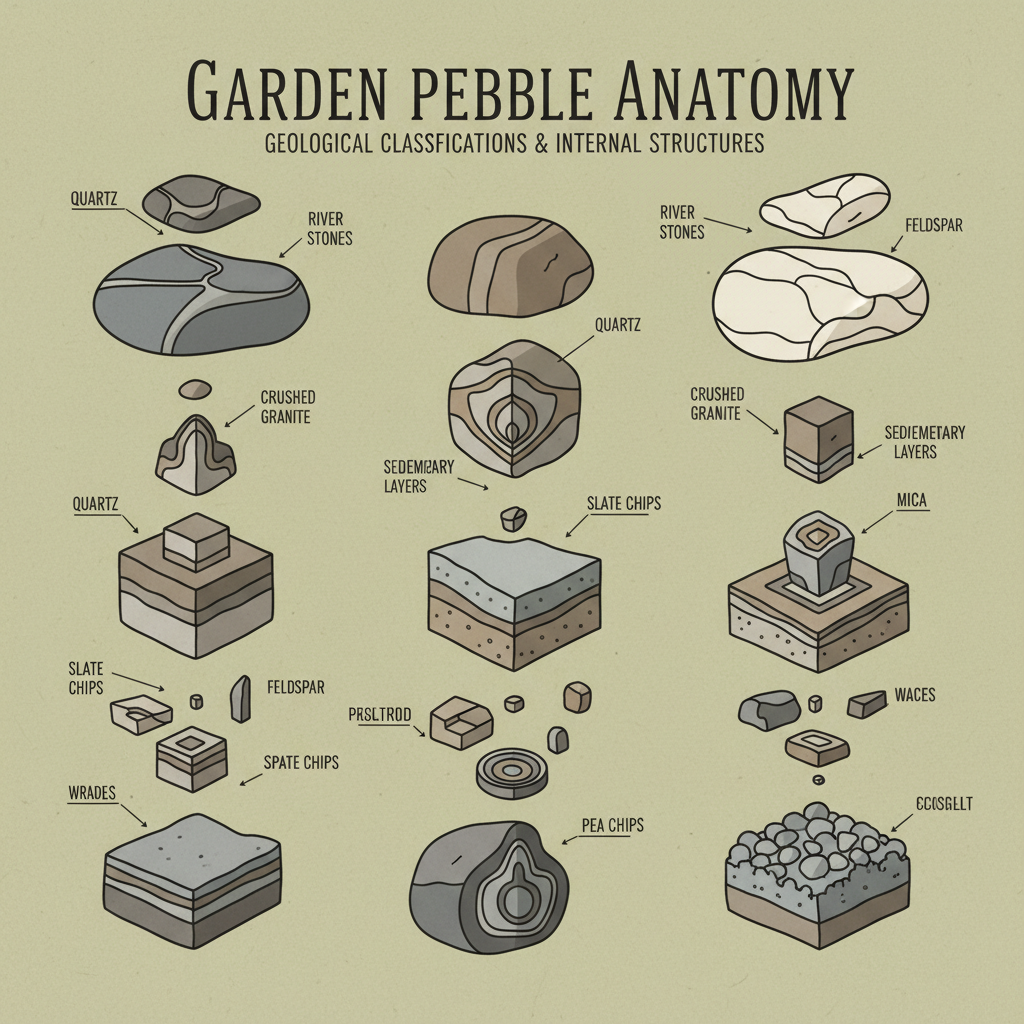
Have you noticed how people are getting so specific? It’s not just “grey pebbles” anymore. It’s “charcoal grey, tumbled, 20-30mm, with a slight shimmer.” I mean, seriously? Shimmer? It’s a pebble! But that’s the market now. And honestly, it's a good thing, it pushes us to improve, find new sources, better processing techniques. It keeps things interesting. I think.
The demand for eco-friendly options is also huge. Recycled glass is flying off the shelves, and people are asking about locally sourced materials more and more. Which is good, but it adds another layer of complexity to the sourcing process.
Figuring out pebble quantities can be tricky. You need to know the area you're covering, the desired depth, and the bulk density of the pebbles. There are online calculators, but they're often inaccurate. I usually recommend adding 10-15% to your estimate, just to be safe. It’s always better to have a little extra than to run out halfway through.
Weeds are the bane of every landscaper’s existence. The best way to prevent them is to lay down a good quality geotextile fabric under the pebbles. This creates a barrier that prevents weeds from growing up, while still allowing water to drain through. You can also use a pre-emergent herbicide, but that’s not always the most environmentally friendly option.
Yes, some pebbles can be slippery when wet, especially polished glass. Granite and basalt are generally less slippery, but still require caution. Choosing pebbles with a textured surface can help improve traction. You can also apply a non-slip coating, but that will change the look of the pebbles.
Cleaning pebbles is usually pretty easy. You can just hose them down with water. For stubborn dirt or algae, you can use a mild detergent and a scrub brush. Avoid using harsh chemicals, as they can damage the pebbles or harm the environment. For glass pebbles, a soft brush and gentle cleaner are best.
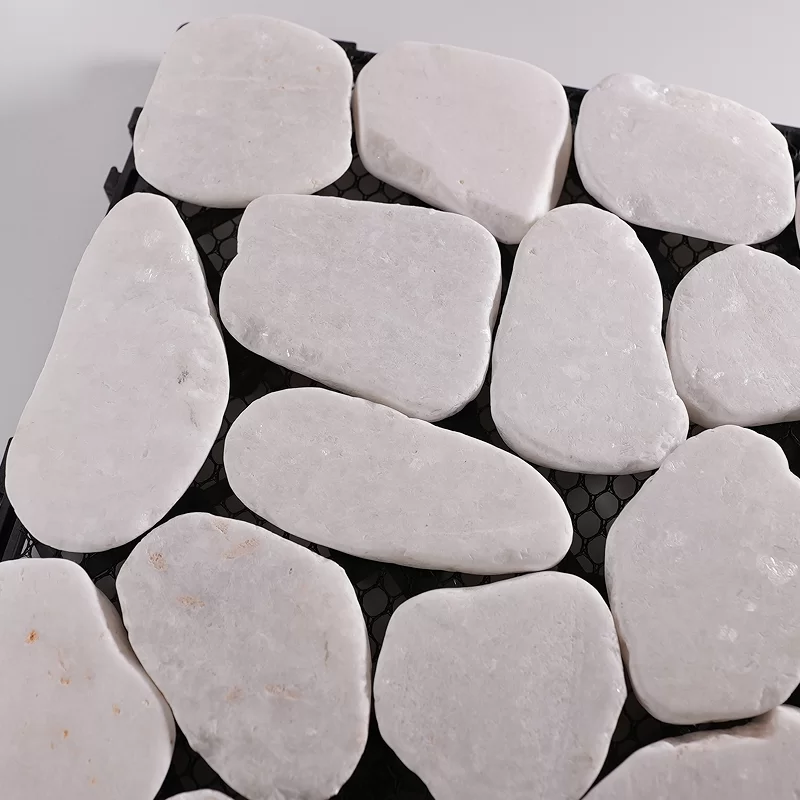
Tumbled pebbles have been put through a machine that rounds off the edges, making them smoother and more comfortable to walk on. Un-tumbled pebbles are more natural looking, with sharper edges. Tumbled pebbles are generally more expensive, but they're worth it if you want a more refined look and feel.
Absolutely! Mixing different types of pebbles can create a really interesting and unique look. Just be sure to choose pebbles that complement each other in terms of color and texture. And consider the different wear rates of the pebbles – you don't want one type to disappear quickly while the others remain. Experiment, have fun, and don’t be afraid to try something new!
So, there you have it. The world of garden pebbles is a lot more complex than you might think. From understanding the different materials and their properties to anticipating the challenges of installation and maintenance, there’s a lot to consider. But ultimately, it's about creating a beautiful and functional outdoor space that people can enjoy.
The trend toward personalized, sustainable options will only continue, so staying informed and adaptable is key. Don't get caught up in the hype – focus on quality materials, proper installation, and a healthy dose of common sense. And remember, whether this thing works or not, the worker will know the moment he tightens the screw.


If you are interested in our products, you can choose to leave your information here, and we will be in touch with you shortly.