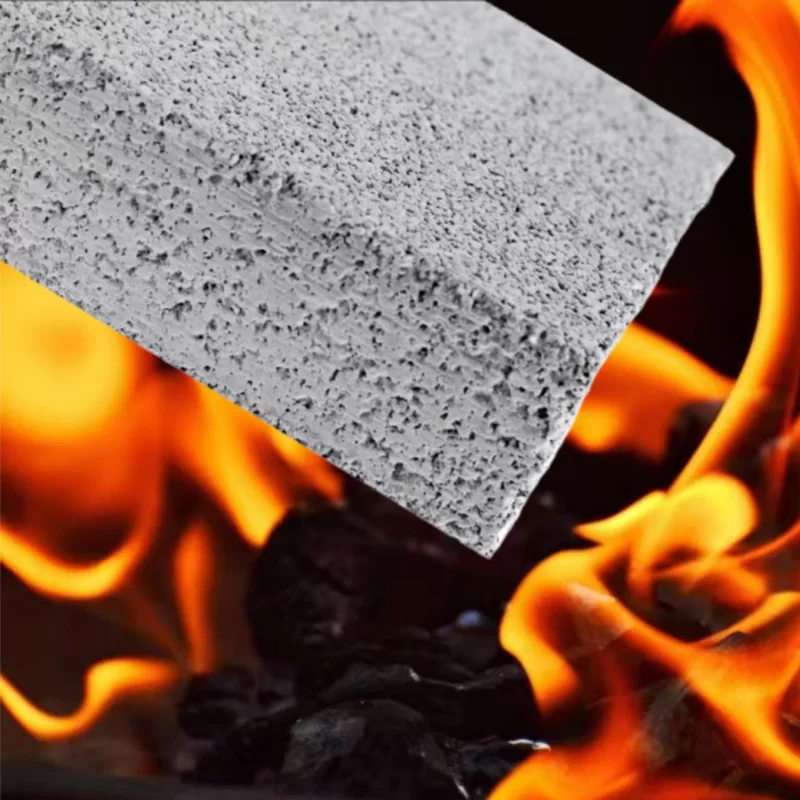
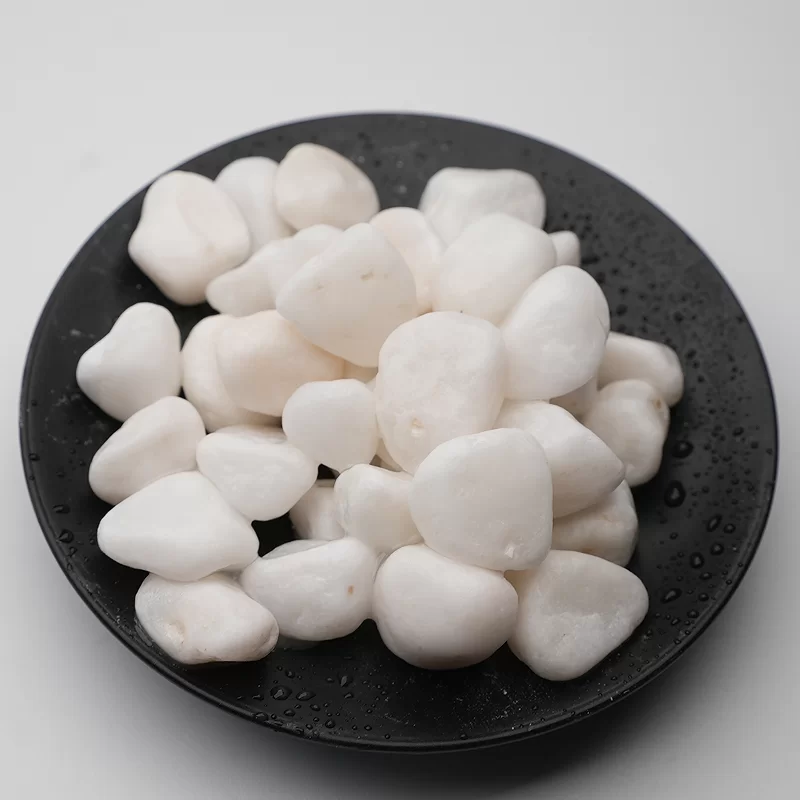
1 2 perlite board represents a significant advancement in lightweight construction materials, offering a unique combination of thermal insulation, fire resistance, and structural integrity. Its growing adoption globally is driven by increasing demands for sustainable building practices and efficient material usage. Understanding the properties and applications of 1 2 perlite board is crucial for architects, engineers, and construction professionals seeking innovative and cost-effective building solutions.
The global construction industry is facing mounting pressure to reduce its environmental footprint and improve energy efficiency. 1 2 perlite board addresses these challenges by utilizing expanded perlite, a naturally occurring volcanic glass, to create a material with excellent thermal performance and a low embodied carbon footprint. Its versatility makes it suitable for a wide range of applications, from residential and commercial buildings to industrial facilities.
As urbanization continues and populations grow, the need for affordable and sustainable housing solutions becomes increasingly critical. 1 2 perlite board offers a viable alternative to traditional construction materials, contributing to more resilient and environmentally responsible infrastructure worldwide. Its ease of installation and adaptability further enhance its appeal in diverse construction projects.
Introduction to 1 2 perlite board
1 2 perlite board is a composite material primarily composed of expanded perlite and a binding agent, typically cement or gypsum. The resulting boards are lightweight, offering excellent thermal and acoustic insulation properties. This unique combination makes 1 2 perlite board an attractive solution for various construction and industrial applications.
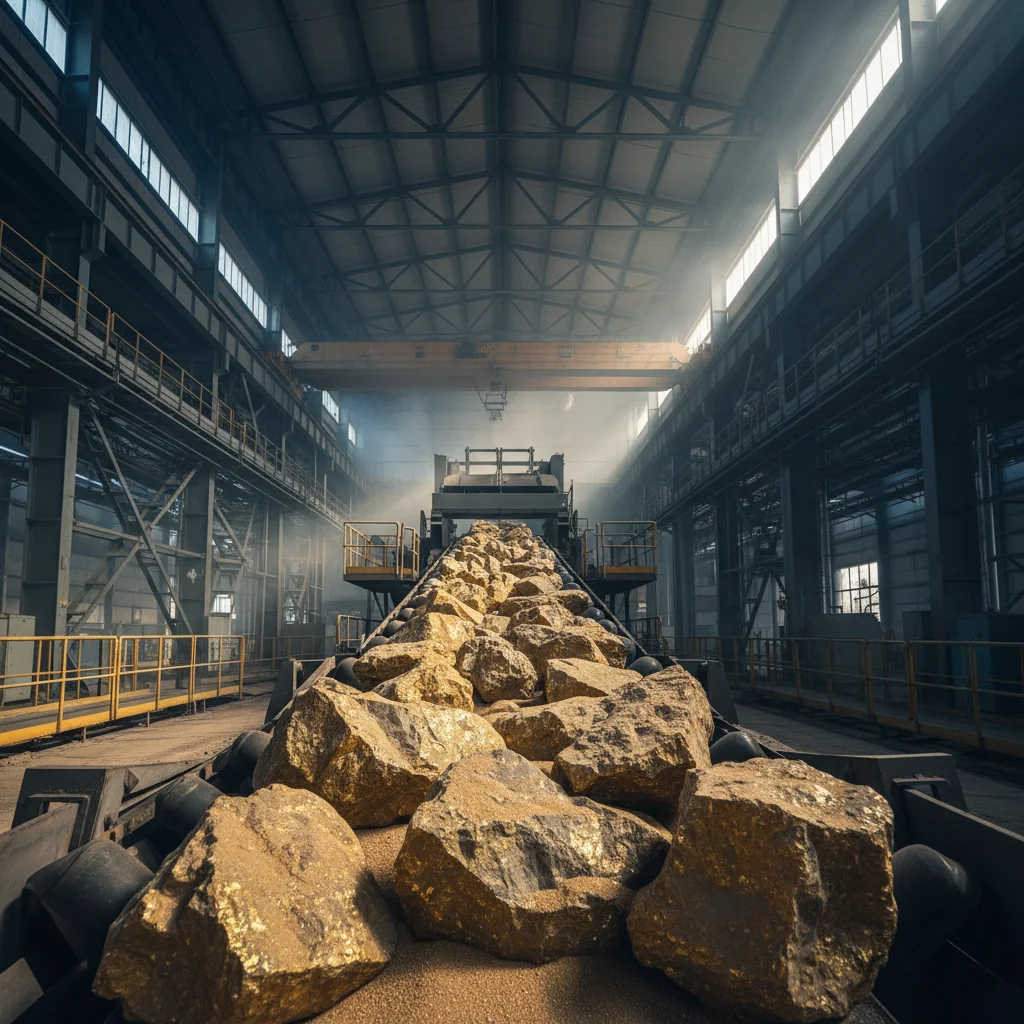
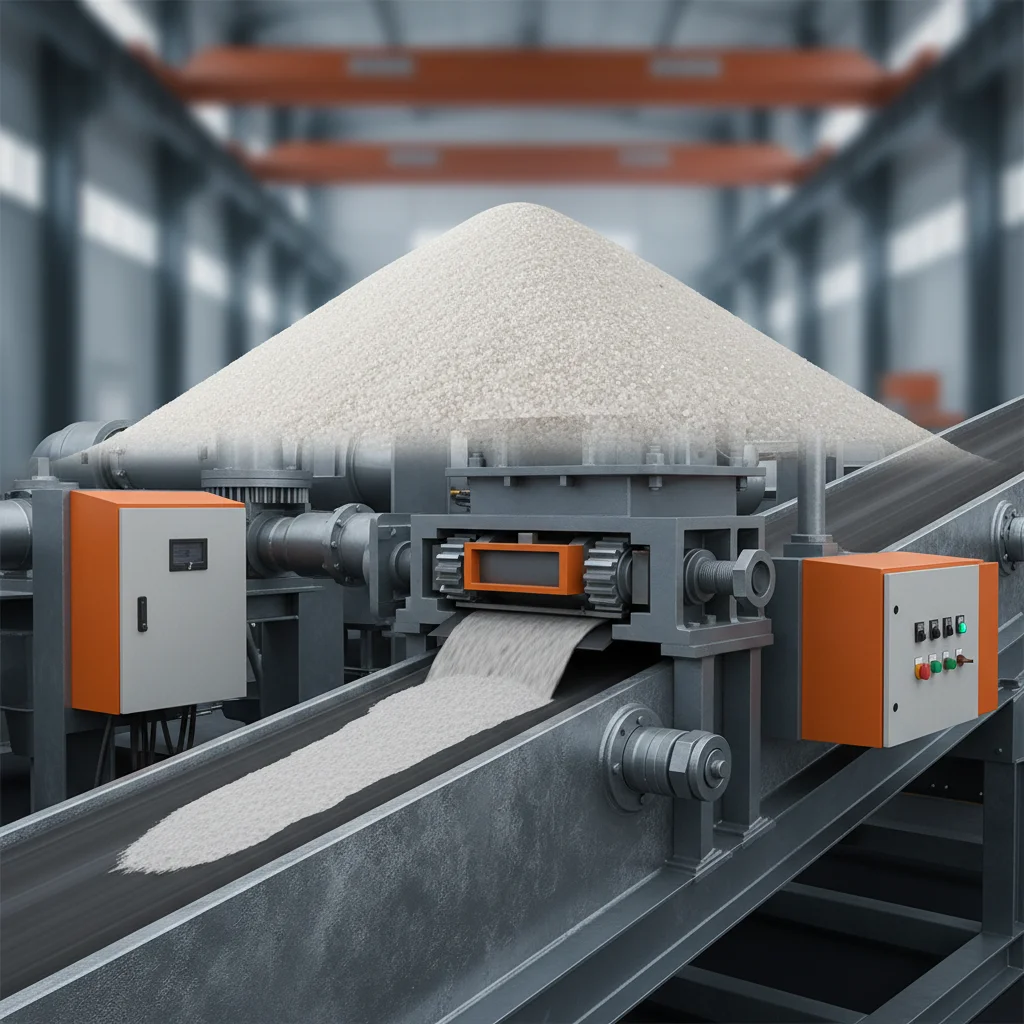
The manufacturing process involves expanding perlite through high-temperature heating, creating a lightweight aggregate. This aggregate is then mixed with a binder and formed into boards of varying thicknesses and densities. The final product exhibits fire resistance, dimensional stability, and ease of handling, contributing to faster and more efficient construction processes.
Global Relevance and Industry Context
The demand for sustainable building materials is increasing globally, driven by growing concerns about climate change and resource depletion. According to the UN Environment Programme, the building sector accounts for approximately 39% of global energy-related carbon emissions. This highlights the urgent need for innovative materials like 1 2 perlite board that can reduce the environmental impact of construction.
The construction industry is also facing challenges related to labor shortages and rising material costs. 1 2 perlite board addresses these challenges by offering a lightweight and easy-to-install material that can reduce construction time and labor requirements. The ISO standards related to building materials are continually evolving, placing greater emphasis on sustainability and performance, areas where 1 2 perlite board excels.
The World Bank's initiatives focusing on resilient infrastructure development further reinforce the importance of durable and sustainable materials like 1 2 perlite board, particularly in regions prone to natural disasters. The increasing adoption of green building certifications, such as LEED and BREEAM, creates a favorable market environment for materials that contribute to environmentally friendly construction practices.
Defining 1 2 perlite board
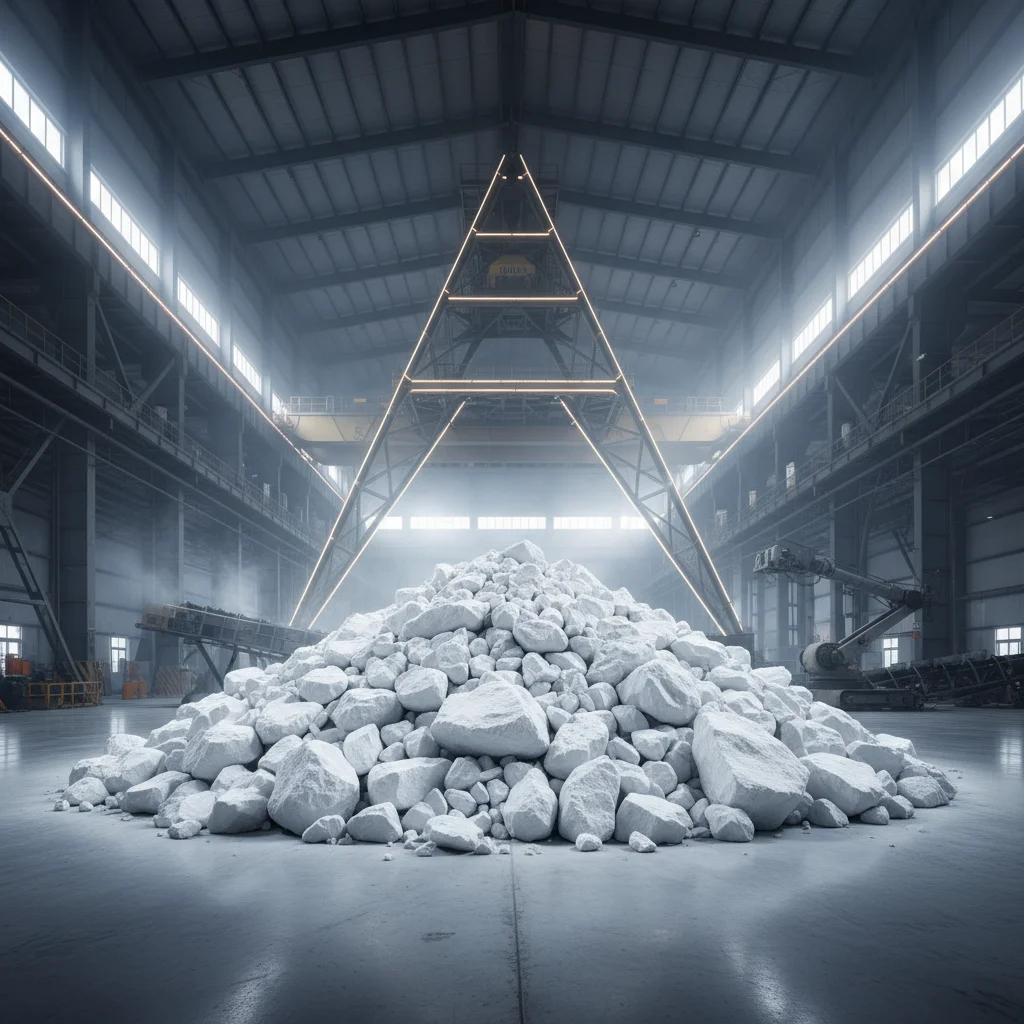
1 2 perlite board is fundamentally a lightweight, non-combustible building material created by combining expanded perlite with a suitable binder. Expanded perlite, formed by heating volcanic glass, creates millions of tiny, trapped air bubbles, resulting in exceptional insulation properties. The binder, typically cement or gypsum, holds these perlite particles together, forming a rigid and durable board.
Its connection to modern industry lies in its ability to address critical needs for energy efficiency, fire safety, and sustainable construction. As industries strive to meet stricter environmental regulations and reduce their carbon footprint, materials like 1 2 perlite board become increasingly valuable. It represents a shift away from traditional, resource-intensive materials towards more eco-friendly alternatives.
The humanitarian relevance of 1 2 perlite board stems from its potential to provide rapid and cost-effective shelter solutions in disaster-affected areas. Its lightweight nature facilitates easy transportation and installation, making it an ideal material for constructing temporary housing and emergency facilities. The inherent fire resistance also enhances safety in vulnerable environments.
Key Factors of 1 2 perlite board
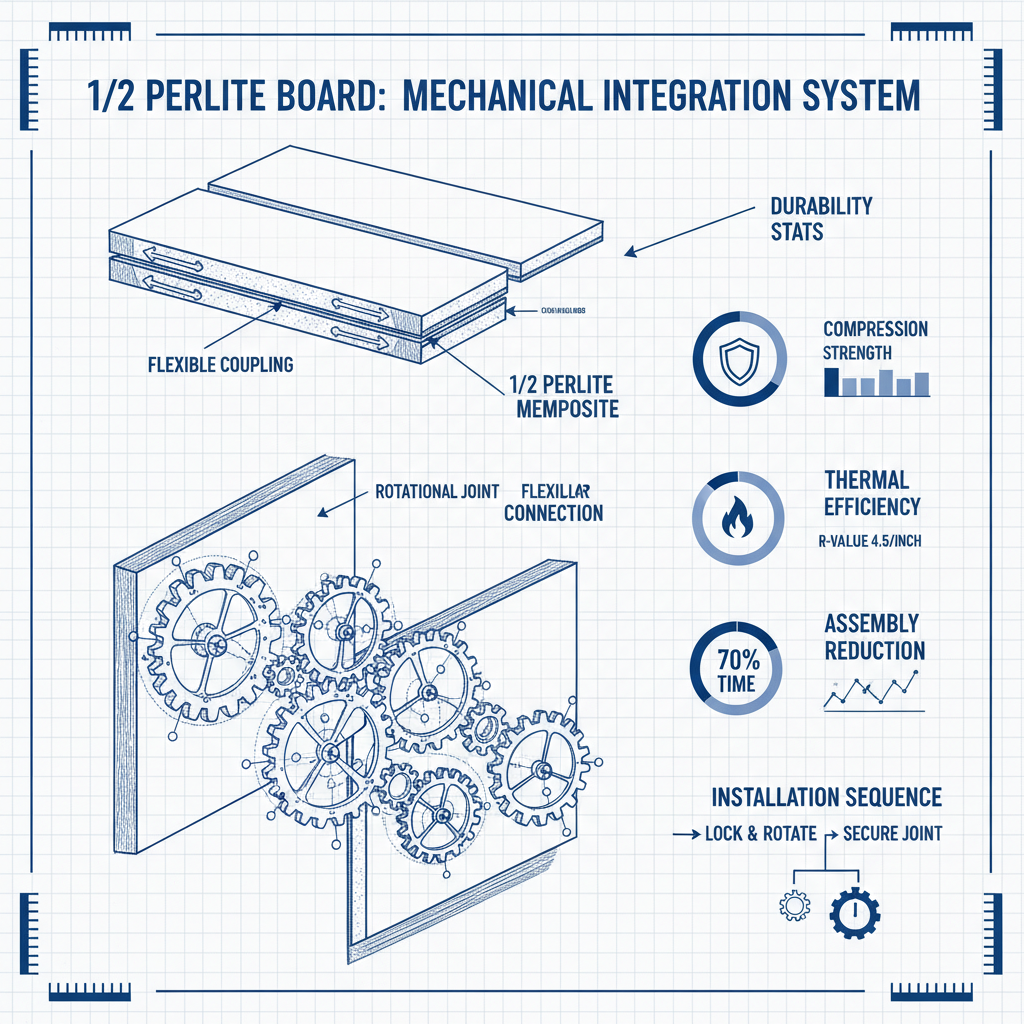
Durability: 1 2 perlite board exhibits excellent resistance to cracking, warping, and degradation over time. Its dimensional stability ensures long-term performance even in challenging environmental conditions. This longevity translates into reduced maintenance costs and increased building lifespan.
Thermal Insulation: The millions of air bubbles within the expanded perlite provide exceptional thermal insulation, reducing energy consumption for heating and cooling. This contributes to lower utility bills and a smaller carbon footprint. Its R-value (thermal resistance) is significantly higher than many conventional building materials.
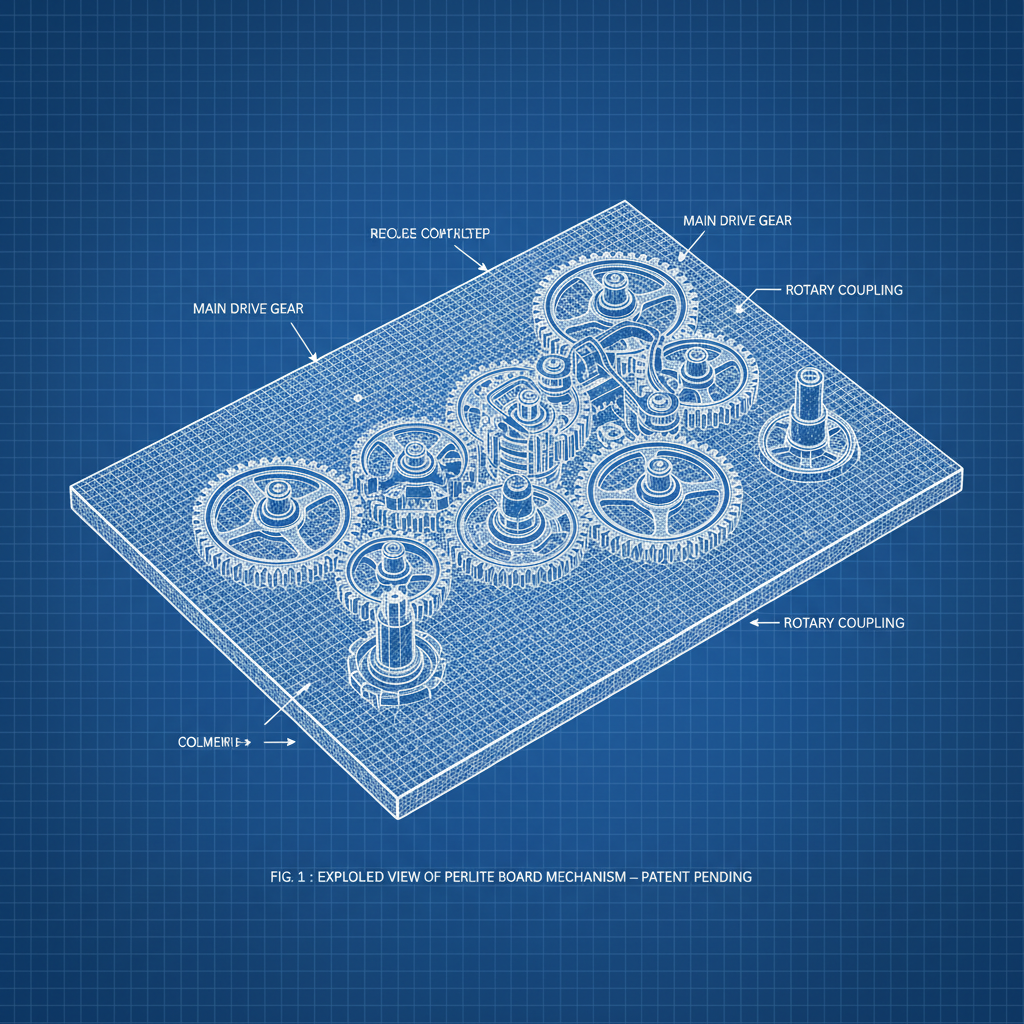
1 2 perlite board Performance Characteristics
Global Applications of 1 2 perlite board
In the construction sector, 1 2 perlite board is extensively used for wall cladding, roofing, and internal partitions, providing thermal insulation and fire protection. In post-disaster relief operations, it serves as a rapid deployment housing material, offering safe and comfortable shelter for displaced populations.
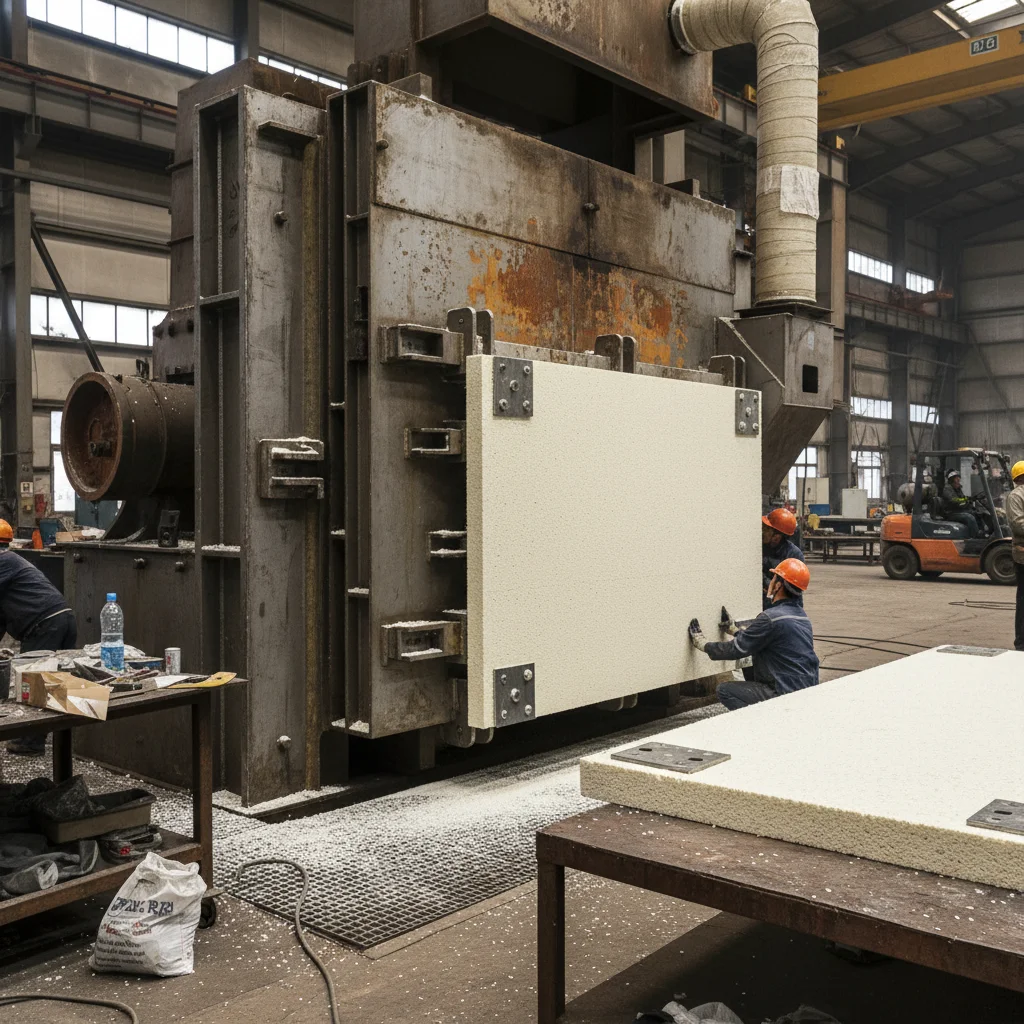
Within the industrial realm, 1 2 perlite board is employed for fireproofing steel structures, insulating pipelines, and creating acoustic barriers in noisy environments. In remote industrial zones, its lightweight nature and ease of transportation make it a particularly valuable asset. The material is also gaining traction in agricultural applications, utilized for creating insulated greenhouses and controlled-environment growing facilities.
Across regions like Europe, North America, and Asia-Pacific, the adoption of 1 2 perlite board is driven by stringent building codes and a growing emphasis on sustainable construction. Organizations like Habitat for Humanity are exploring its use in affordable housing projects, while government agencies are incorporating it into infrastructure development initiatives.
Advantages and Long-Term Value
The cost-effectiveness of 1 2 perlite board stems from its lightweight nature, which reduces transportation costs and simplifies installation. Its superior thermal insulation properties lead to significant energy savings over the lifespan of a building, resulting in lower utility bills. This long-term economic benefit is a key driver of its adoption.
From a sustainability perspective, 1 2 perlite board utilizes a naturally occurring volcanic mineral, minimizing its environmental impact. Its fire resistance enhances building safety, protecting lives and property. The material also contributes to improved indoor air quality due to its non-toxic composition.
Future Trends and Innovations
Ongoing research is focused on enhancing the performance of 1 2 perlite board through the incorporation of nanotechnology and advanced binding agents. These innovations aim to further improve its thermal insulation, fire resistance, and durability. The integration of smart sensors into the boards is also being explored to enable real-time monitoring of building performance.
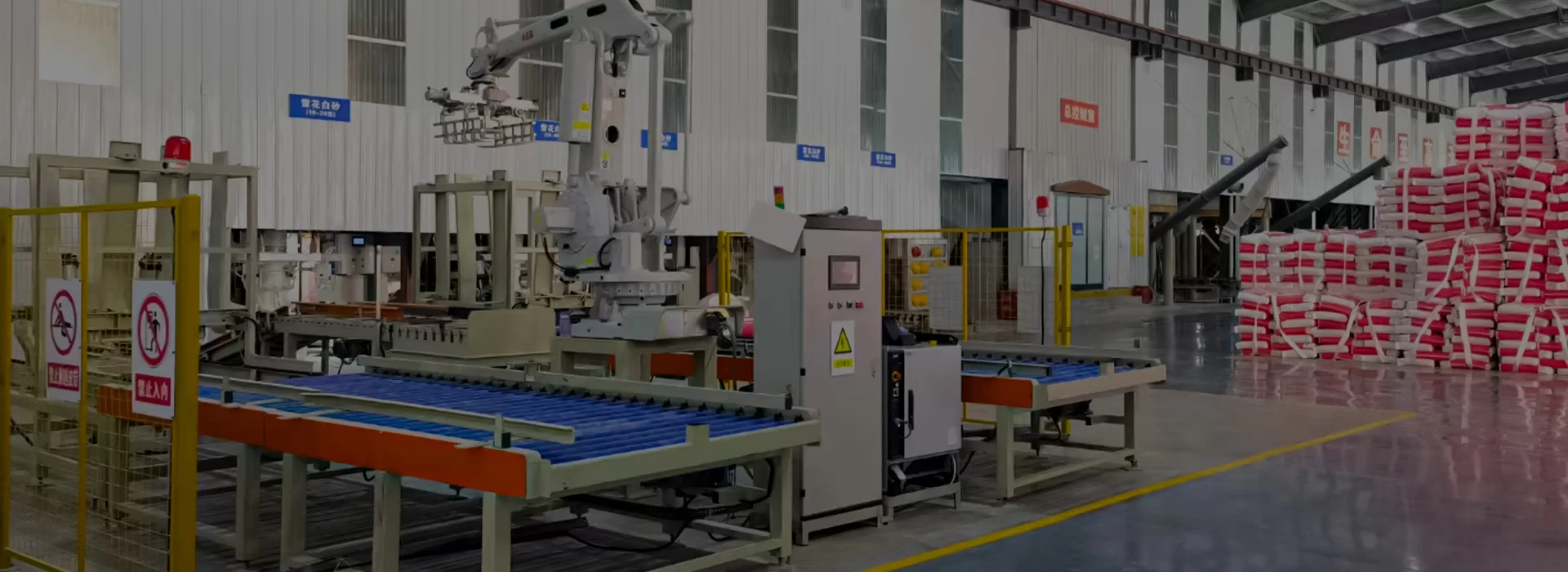
The development of automated manufacturing processes will drive down production costs and increase the scalability of 1 2 perlite board. The increasing adoption of Building Information Modeling (BIM) will facilitate seamless integration of the material into complex building designs. The synergy between 1 2 perlite board and green energy technologies, such as solar panels, will create opportunities for net-zero energy buildings.
Policy initiatives promoting sustainable construction and energy efficiency are expected to further accelerate the demand for 1 2 perlite board. The rise of circular economy principles will encourage the recycling and reuse of perlite board materials, minimizing waste and maximizing resource utilization.
FAQS
1 2 perlite board is naturally non-combustible and offers excellent fire resistance. The expanded perlite within the board contains trapped water, which is released as steam when exposed to high temperatures, effectively cooling the material and inhibiting combustion. It can typically withstand temperatures up to 1000°C for extended periods, providing crucial fire protection for buildings and structures.
1 2 perlite board generally has a lower environmental impact compared to many traditional insulation materials. Expanded perlite is a naturally occurring volcanic mineral, and its processing requires less energy than the production of materials like fiberglass or foam. Furthermore, 1 2 perlite board is recyclable and does not release harmful chemicals into the environment, making it a more sustainable choice.
While 1 2 perlite board isn't waterproof, it exhibits good moisture resistance. Its porous structure allows for some breathability, preventing moisture buildup within the board. However, for applications exposed to direct water contact, a protective coating or membrane is recommended to prevent water absorption and maintain optimal performance.
The lifespan of a building constructed with 1 2 perlite board is comparable to buildings constructed with traditional materials, often exceeding 50 years with proper maintenance. The durability and dimensional stability of the board contribute to the long-term structural integrity of the building. Regular inspections and appropriate protective measures can further extend its lifespan.
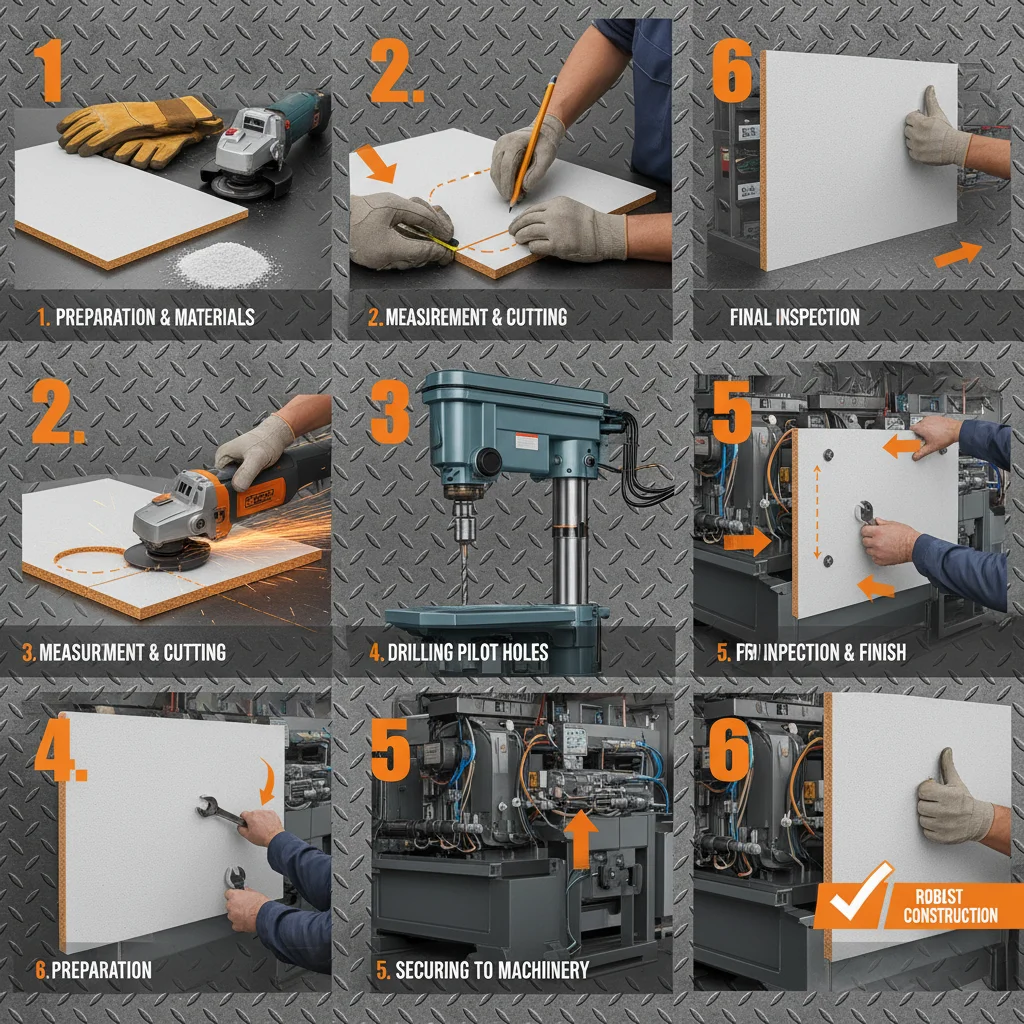
1 2 perlite board is relatively easy to install, requiring standard woodworking tools and techniques. It can be cut, drilled, and fastened like conventional building materials. However, it's essential to follow manufacturer's instructions and use appropriate fasteners and adhesives to ensure a secure and long-lasting installation. Proper sealing of joints and edges is also crucial for optimal performance.
In disaster relief, 1 2 perlite board is primarily used for constructing rapid deployment shelters, offering a safe and thermally comfortable environment for displaced individuals. It's used for walls, roofs, and floors, providing insulation and fire protection. Its lightweight nature facilitates quick assembly and disassembly, making it ideal for temporary housing solutions.
Conclusion
In summary, 1 2 perlite board presents a compelling solution to the challenges facing the construction industry, offering a unique blend of sustainability, performance, and cost-effectiveness. Its inherent properties—lightweight, fire resistance, and thermal insulation—make it a versatile material suitable for a wide range of applications, from residential buildings to disaster relief shelters. The growing awareness of environmental issues and the increasing demand for energy-efficient construction are driving its adoption globally.
Looking ahead, continued innovation in material science and manufacturing processes will further enhance the performance and affordability of 1 2 perlite board. Embracing this technology is not just a matter of adopting a new building material; it's a commitment to a more sustainable and resilient future. For more information and to explore how 1 2 perlite board can benefit your projects, visit our website: www.cnfloormaterials.com